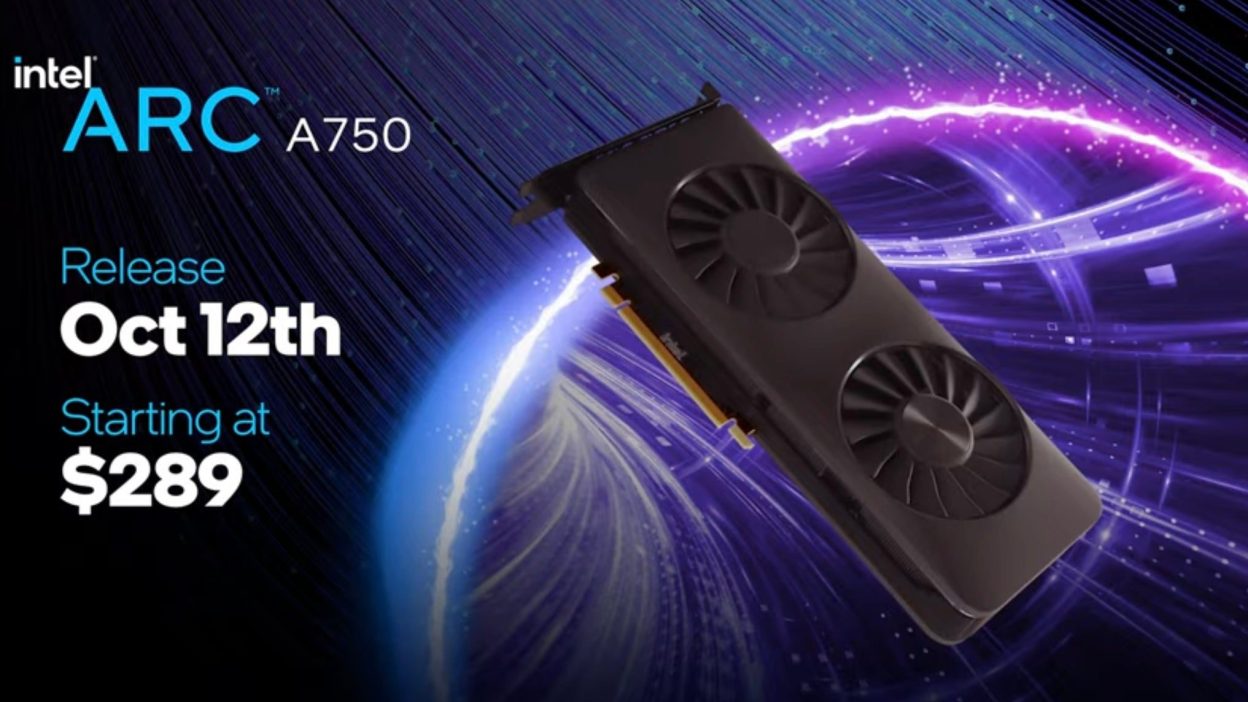
With NVIDIA’s announcement of a $5 billion investment in Intel and confirmation that the two companies will jointly develop multi-generational data center and PC products, speculation quickly arose that Intel might gradually abandon the development of its Arc discrete graphics cards and integrated GPU designs. However, Intel CEO Lip-Bu Tan clarified in a subsequent interview that the partnership with NVIDIA is meant to be complementary rather than substitutive, affirming that the Arc brand and related GPU products will continue to exist.
NVIDIA CEO Jensen Huang stated that, moving forward, NVIDIA will supply Intel with GPU chip modules that can be directly integrated into Intel’s x86 CPUs, creating an entirely new class of integrated solutions. This suggests that some future Intel processors may adopt NVIDIA’s RTX graphics architecture as their foundation for integrated graphics, rather than relying exclusively on Intel’s in-house Arc designs.
Industry observers have speculated that Intel could scale back GPU development to reduce cost pressures, given that the company has poured significant resources into graphics over the past several years without seriously challenging the dominance of NVIDIA and AMD. Addressing these concerns, Lip-Bu Tan emphasized that while he could not disclose specific product roadmaps, the partnership is complementary in nature, and Intel remains committed to maintaining its own GPU product line while continuing to invest in research and development.
This reiteration follows earlier assurances by Michelle Johnston Holthaus, former head of Intel’s Client Computing Group, who had also pledged that Arc GPUs would not be discontinued.
Even so, market analysts remain cautious. With NVIDIA shifting from “competitor” to “partner,” questions linger as to whether Intel will retain the motivation to commit significant capital toward catching up in the GPU race. Should Intel prioritize CPUs, AI, and foundry services, GPU development may gradually slide down the company’s list of strategic priorities.
For now, Intel appears set to maintain updates and support for Arc GPUs within existing product cycles while closely monitoring market response before deciding on the scale of future investments. For gamers and developers alike, Arc graphics cards are not disappearing in the short term—but whether a bold new next-generation architecture will emerge remains to be seen.
- IBM X-Force Uncovers Azure Arc Flaws: Hybrid-Cloud Tool Becomes Stealthy RCE & Privilege Escalation Vector
- Arc Browser Development Ceases: Meet Dia, The Browser Company’s New Focus
- Intel GPU Performance Hit by Security Mitigations: Ubuntu Weighs Disabling Them for 20% Boost
- CVE-2025-5095 (CVSS 9.8): Critical Flaw in ARC Solo Broadcasting Devices Allows Unauthenticated Takeover