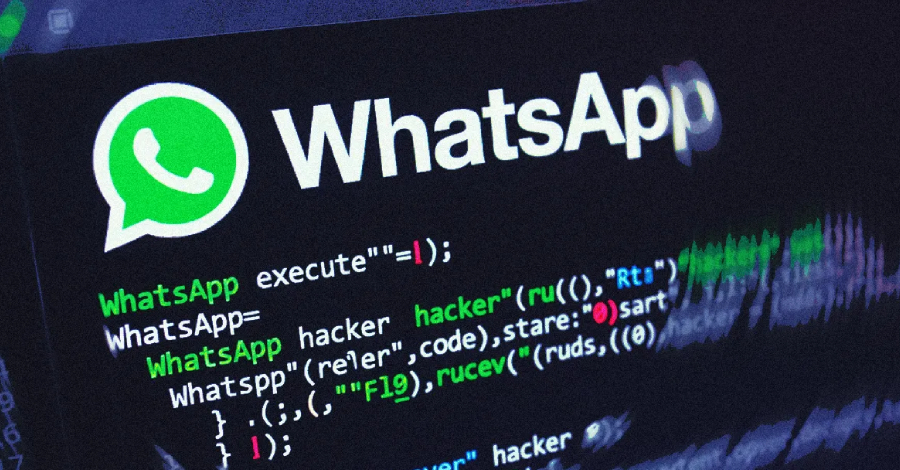

Microsoft is calling attention to a new campaign that has leveraged WhatsApp messages to distribute malicious Visual Basic Script (VBS) files.
The activity, beginning in late February 2026, leverages these scripts to initiate a multi-stage infection chain for establishing persistence and enabling remote access. It’s currently not known what lures the threat actors use to trick users into executing the scripts.
“The campaign relies on a combination of social engineering and living-off-the-land techniques,” the Microsoft Defender Security Research Team said. “It uses renamed Windows utilities to blend into normal system activity, retrieves payloads from trusted cloud services such as AWS, Tencent Cloud, and Backblaze B2, and installs malicious Microsoft Installer (MSI) packages to maintain control of the system.”
The use of legitimate tools and trusted platforms is a deadly combination, as it allows threat actors to blend in normal network activity and increase the likelihood of success of their attacks.
The activity begins with the attackers distributing malicious VBS files via WhatsApp messages that, when executed, create hidden folders in “C:ProgramData” and drop renamed versions of legitimate Windows utilities like “curl.exe” (renamed as “netapi.dll”) and “bitsadmin.exe” (renamed as “sc.exe”).

Upon gaining an initial foothold, the attackers aim to establish persistence and escalate privileges, ultimately installing malicious MSI packages on victim systems. This is achieved by downloading auxiliary VBS files hosted on AWS S3, Tencent Cloud, and Backblaze B2 using the renamed binaries.
“Once the secondary payloads are in place, the malware begins tampering with User Account Control (UAC) settings to weaken system defenses,” Redmond said. “It continuously attempts to launch cmd.exe with elevated privileges, retrying until UAC elevation succeeds or the process is forcibly terminated, modifying registry entries under HKLMSoftwareMicrosoftWin, and embedding persistence mechanisms to ensure the infection survives system reboots.”
These actions allow the threat actors to gain elevated privileges without user interaction via a combination of Registry manipulation with UAC bypass techniques, and ultimately deploy unsigned MSI installers. This includes legitimate tools like AnyDesk that provide attackers with persistent remote access, enabling the attackers to exfiltrate data or deploy more malware.
“This campaign demonstrates a sophisticated infection chain combining social engineering (WhatsApp delivery), stealth techniques (renamed legitimate tools, hidden attributes), and cloud-based payload hosting,” Microsoft said.